Feeding the Workplace: How Corporate Cafeterias Really Work
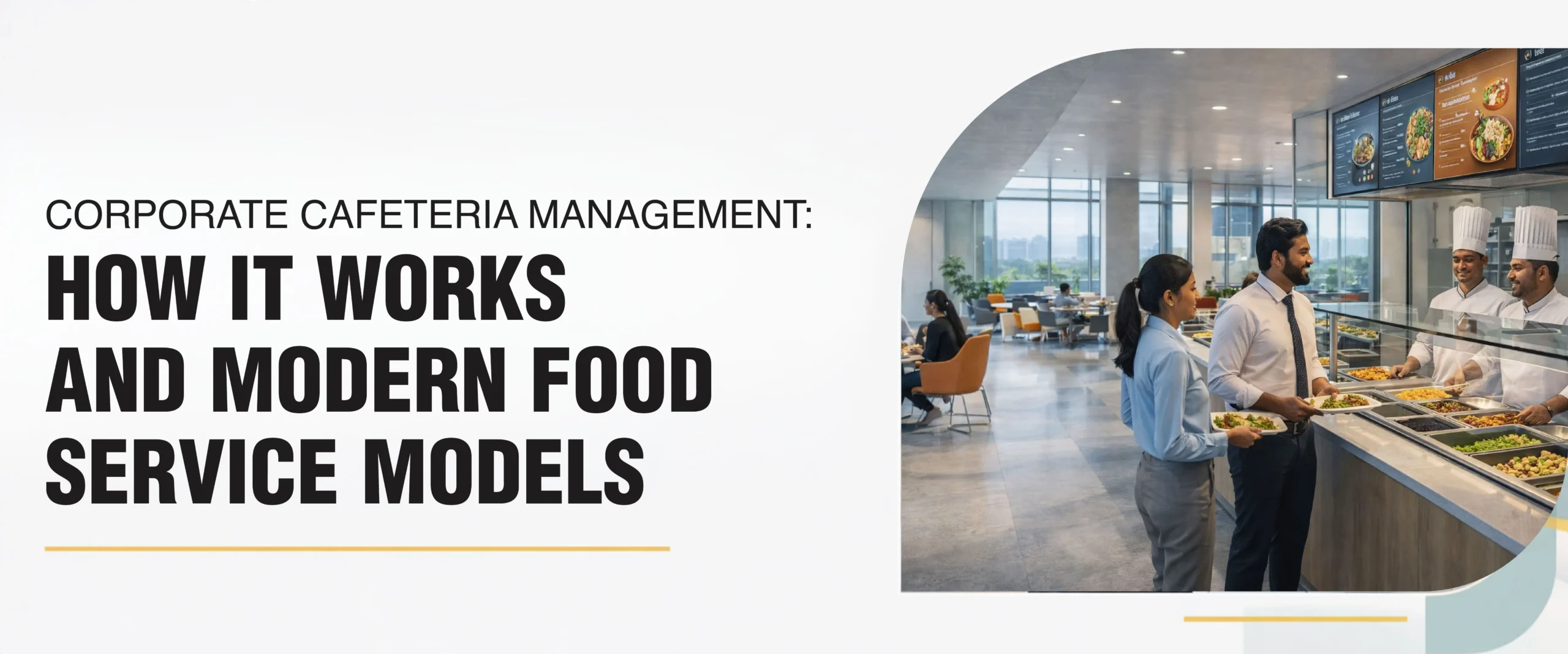
Remember when lunch at work meant ghar ka khana—tiffins delivered by dabbawallas, or a quick walk to the nearby dhaba or tapri for chai, samosa and pakoras? For years, food at the workplace in India was informal, familiar and largely outside the office walls. Corporate food services came much later and even today, for many, they still feel relatively new. What began as basic in-office canteens has now evolved into structured corporate cafeteria management, supported by specialised corporate cafeteria management companies and modern office dining solutions. And this evolution says a lot about how Indian offices and employees have changed. So how does corporate cafeteria management actually work and what do modern food service models look like today? Let’s take a closer look.
Table of Contents:
- Is your cafeteria a cost centre or a culture builder?
- What actually goes on behind the scenes of a “smooth” cafeteria?
- Who’s really managing your cafeteria: vendors, systems, or intent?
- From serving meals to serving moments: when did cafeterias evolve?
- One size fits all or models that flex with your workforce?
- What do employees expect today beyond “good food”?
- So, what do modern food service models actually look like?
Is your cafeteria a cost centre, or a culture builder?
For many organisations, the cafeteria is still seen largely as a cost and operations function. But in reality, it’s one of the few spaces where hierarchies soften and people show up simply as people. It’s where teams pause together, informal conversations spark and small daily rituals take shape. The food served, the comfort of the space and the reliability of the experience quietly shape how employees feel, whether they feel cared for, included and at ease. Over time, these moments build emotional connection, not just convenience. That’s why, in today’s workplaces, cafeterias are no longer just about feeding people, they play a subtle but powerful role in shaping culture.
What actually goes on behind the scenes of a “smooth” cafeteria?
A smooth cafeteria experience is built on multiple elements working in sync often unnoticed but deeply felt when they’re missing.
- Thoughtful menu planning
Designed to balance nutrition, variety, budgets and changing employee preferences. - Smart sourcing & quality checks
Ingredients, vendors and processes aligned to ensure consistency and food safety. - Hygiene, safety & compliance
Daily checks and protocols that protect trust, not just tick boxes. - Trained service teams
People who understand both operational efficiency and employee experience. - Systems that support scale
Processes that handle volume, diversity of taste and timing—without slowing the workday.
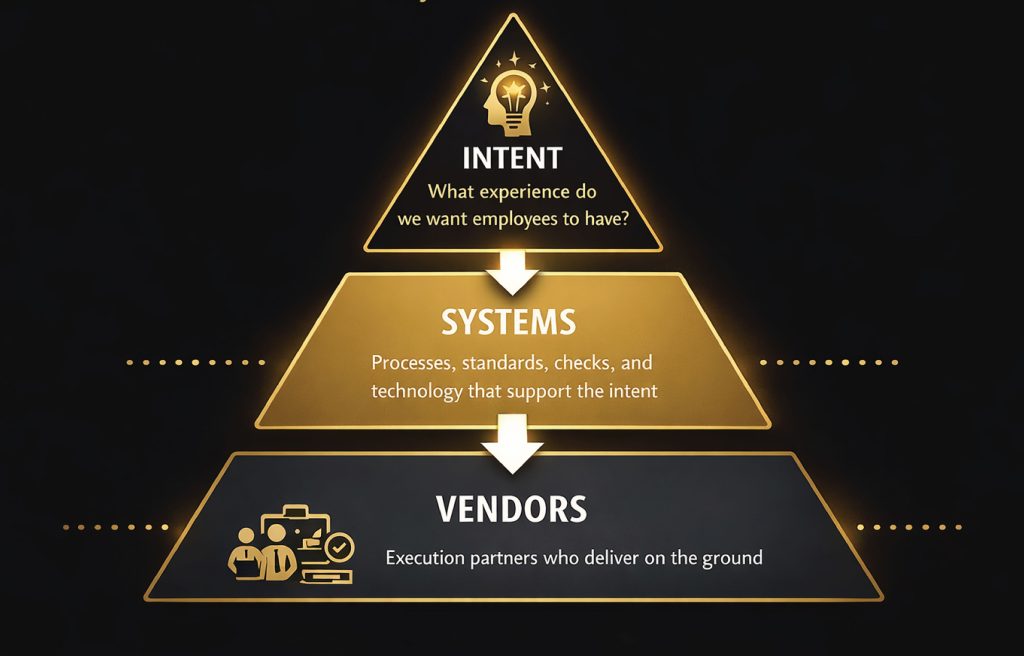
Who’s really managing your cafeteria: vendors, systems, or intent?
When organisations start thinking about what is corporate dining, the conversation often begins with selecting vendors or engaging corporate cafeteria management companies. But a cafeteria doesn’t run well on partnerships alone. What truly makes a difference is clarity on intent, what kind of experience the organisation wants to create for its people. Strong cafeteria management in offices goes beyond day-to-day operations and focuses on consistency, comfort and trust. Systems and processes then support this intent, helping corporate food service teams deliver reliable office dining solutions that employees can depend on every day.
From serving meals to serving moments: when did cafeterias evolve?
There was a time when workplace food in India meant tapris and tiffin brought from home or meals picked up from just outside the office. It was informal and improvised with little planning around the employee experience. As offices grew, food moved inside. In-office cafeterias began offering multiple cuisines, better hygiene and the comfort of eating without stepping out. Today, cafeterias are evolving once again. With modern corporate cafeteria management, dining is becoming experience-led, designed to be flexible, personalised and available when employees need it, not just during fixed lunch hours.
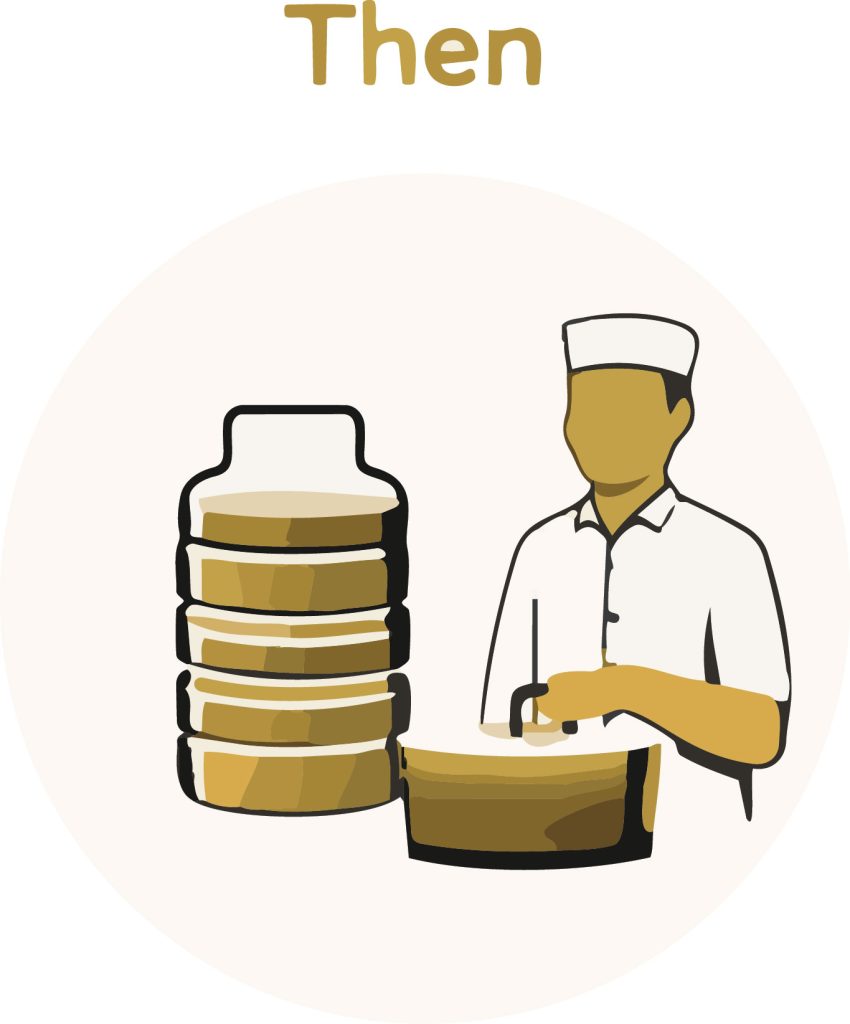
Home cooked tiffin
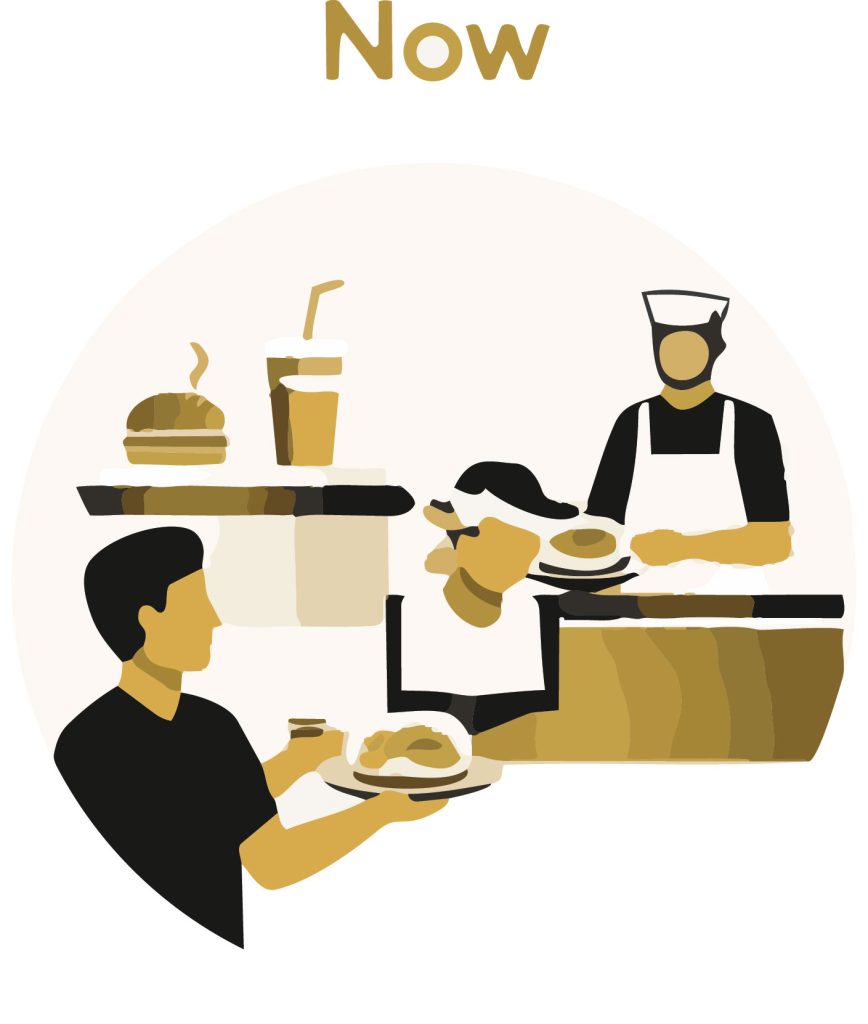
Experience-led dinning and dabbawalas
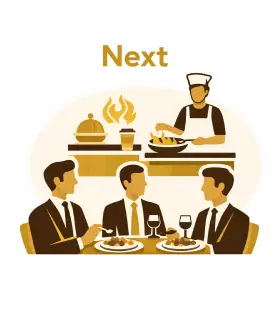
In-office Cafeterias and food courts
One size fits all—or models that flex with your workforce?
No two workplaces function the same way and neither should their food services. As expectations from corporate cafeteria management evolve, organisations are moving away from a single cafeteria format to more flexible office dining solutions that match how people actually work.
Today, common workplace dining models include:
- Managed cafeterias
Full-service cafeterias designed for daily meals and peak-hour footfalls. - Self-serve and smart formats
Grab-and-go counters, kiosks and micromarkets for speed and convenience. - Hybrid models
A mix of cafeterias and self-service options to support different teams, shifts and workstyles.
The right approach isn’t about choosing one model; it’s about combining formats that work for your workforce.
What do employees expect today beyond “good food”?
Today’s workplace dining experience is judged on much more than taste alone. Employees look for food services that fit seamlessly into their workday and reflect how they live and work now. Over 40 % of companies* reported prioritising health-centric menu transformations, with nutrient-dense and lower-sugar options becoming standard in corporate cafeterias.
What employees look for is simple: choice, convenience, hygiene, wellness and consistency. When these come together, corporate food service and office dining solutions stop being just functional and start feeling dependable.
So, what do modern food service models actually look like?
Think about how your office works today. Footfalls change through the week. Lunch hours stretch beyond the traditional window. Some teams want a full meal, others just a quick bite. That’s exactly what modern corporate food service models are built for. Instead of relying on a single cafeteria setup, organisations are mixing managed cafeterias with self-serve and hybrid formats. The result? Flexible office dining solutions that adjust to real workdays not fixed assumptions. With the right corporate cafeteria management, food services stay relevant, efficient and employee-friendly, even as workplaces continue to evolve.
The way food services are designed at the workplace reflects how thoughtfully employee experiences are planned. Today, corporate food service is no longer just an operational function, it’s a strategic one. With evolving expectations and work patterns, corporate cafeteria management must adapt in meaningful ways.
So, is your cafeteria simply serving meals or shaping everyday experiences at work?