What it really takes to keep food service running right now?
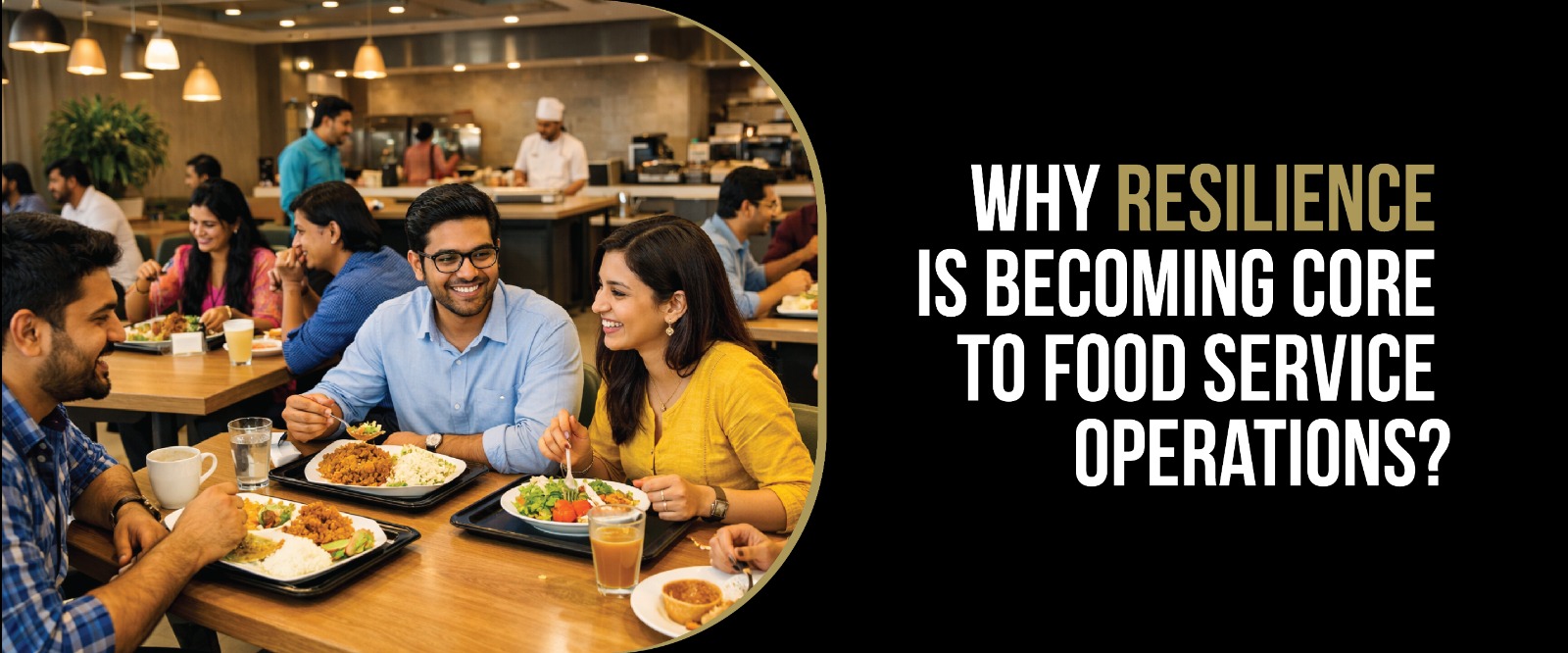
For a long time, energy inputs like LPG and PNG have quietly powered food service operations, stable, predictable and rarely questioned. In recent weeks, however, shifts in availability and pricing have brought a new level of attention to how these systems operate. While not unprecedented, moments like these highlight an important reality, continuity cannot be assumed, it has to be designed.
What these shifts have also made clear is how much the operating environment has evolved. Stability was once built into the system. Today, adaptability needs to be.
Food service operations are no longer just about managing inputs efficiently. They require a more flexible approach, one that can respond to changing conditions without impacting the end experience. This is where the conversation moves beyond supply and into design, how kitchens are set up, how production is distributed and how quickly systems can adjust.
In practice, a few approaches can make a meaningful difference:
- Enabling kitchens to operate across multiple energy options
- Introducing alternate equipment to reduce dependency on a single source
- Balancing production between on-site and central kitchens
- Designing menus that work efficiently across different setups without compromising on nutrition or quality
- Strengthening supply planning through buffer stocks and better inventory management
- Leveraging real-time visibility through dashboards to monitor overall operations and enable timely decision-making
- Maintaining clear, proactive communication to keep stakeholders aligned and reassured
Together, these approaches help create systems that are better equipped to adapt while maintaining consistency in service.
While these shifts support immediate needs, they are also shaping how food service operations will evolve going forward. Exploring alternate energy solutions, strengthening central kitchen capabilities and continuing to refine operating models are all part of building systems that are better prepared for change.
Ultimately, continuity in food service is not defined by the absence of disruption, but by the ability to deliver consistently through it.