Quality Food Services in Hospitals

Table of Contents:
- Why hospital food services matter?
- The Strategic Role of Hospital Food Services in India
- Why clinical nutrition is central to patient recovery
- Food Safety in Hospitals in India: Governance and Compliance
- What Makes Hospital Food Services Truly Effective?
- Technology-Enabled Healthcare Catering Solutions
- The Measurable Impact of Healthy Food in Hospitals
- The Future of Hospital Nutrition in India
- Conclusion: Food as Therapeutic Infrastructure
Is Hospital Food Still an Afterthought?
If hospitals are judged by recovery outcomes, quality of care, and patient satisfaction, then why do we treat hospital food as a secondary service? If we consider India’s rapidly evolving healthcare ecosystem, hospital food is no longer about hospitality alone. It is now part of the entire recovery process – emphasising safety, meeting strict compliance standards, and making a quantifiable difference in health outcomes. Food is no longer an afterthought. It is becoming a central part of how we support the therapeutic infrastructure.
Why hospital food services matter?
Patient recovery, infection control, and length of stay are all directly impacted by high-quality hospital food services. Clinically aligned nutrition has emerged as a quantifiable factor in hospital performance and patient trust in India’s healthcare system, bolstered by dietitian supervision, food safety systems, and technology-enabled monitoring.
The Strategic Role of Hospital Food Services in India
It is predicted to reach $638 billion by 2025. That is a massive figure3 and it underscores the need to prioritise quality care, not just in the operating theatre but at every point where patients connect with the system.
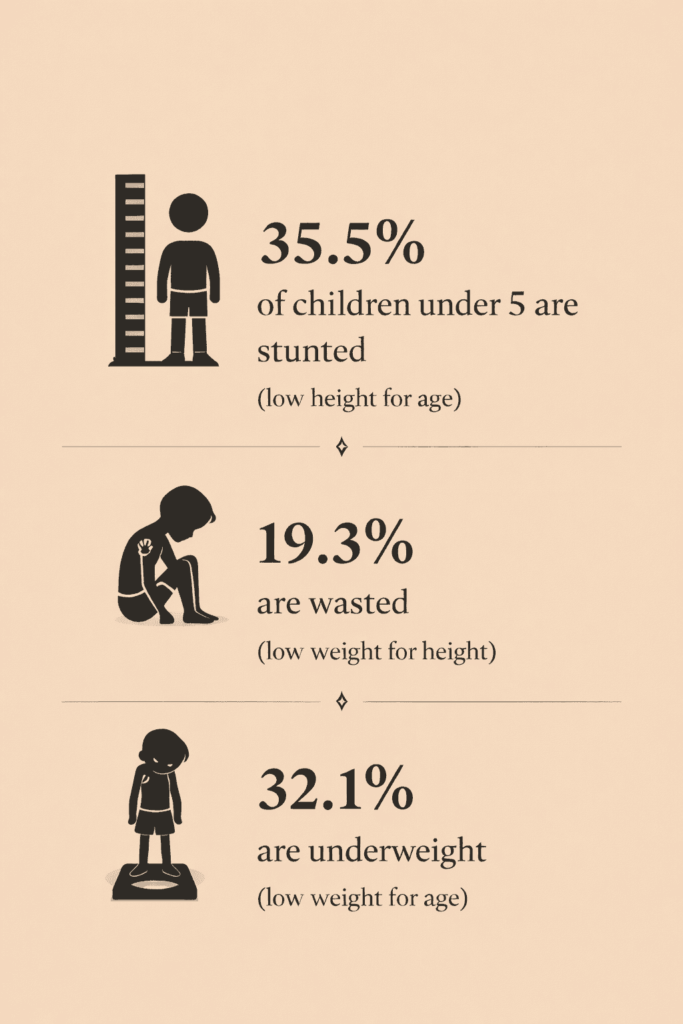
Yet the truth is nutrition remains a major challenge. According to the official National Family Health Survey [NFHS-5] figures reported to the Parliament of India, the prevalence of key child malnutrition indicators among children under five years is:
- 35.5% of children under 5 are stunted (low height for age)
- 19.3% are wasted (low weight for height)
- 32.1% are underweight (low weight for age)
So, the key question we ask is, are hospital food services in India really prepared to help people recover?
Why clinical nutrition is central to patient recovery
While health and nutrition are central to patient recovery, food is much more than calories. It impacts:
- The immune system’s ability to fight infection
- The speed of wound healing
- Muscle strength
- Metabolic function
- And even mental well-being
If hospitals get nutrition wrong, the effects are clear:
- Longer hospital stays
- More infections
- Weaker patients
- Less tolerance for difficult treatments
- Recovery slows down drastically
However, when nutrition is clinically crafted and monitored, hospitals observe:
- Better dietary compliance
- Reduced food wastage
- Improved patient satisfaction scores
Bottom line is that nutrition is not just an extra or a hospitality service; it is central to true recovery.
Food Safety in Hospitals in India: Governance and Compliance
In Indian hospitals food safety is just as important as nutrition. NABH standards now require hospitals to document nutrition screenings, maintain strict hygiene, and have dietitians lead the way.
An effective hospital food service needs more than a decent menu. You need to:
- Control and monitor procurement governance
- Keep production areas at proper temperatures
- Prevent cross-contamination
- Monitor hygiene in real-time
- Have audit-ready compliance documentation
When hospitals establish and actively supervise these systems, food becomes not only safe but also dependable and fully aligned with patient care goals.
What Makes Hospital Food Services Truly Effective?
When you ask patients, “What foods are best for your health?” the response is never the same for everyone. Precision is key to effectiveness in hospital settings.
For impactful clinical nutrition hospital food requires:
- Superior protein for tissue restoration
- Complex carbs for long-lasting energy
- Good fats for absorbing nutrients
- Minerals and vitamins for a robust immune system
- Changes in texture to ensure swallowing safety
- Aligning cultures to stimulate appetite
However, design is insufficient on its own. How these meals are prepared, served, and tracked at scale is what really sets them apart.
Technology-Enabled Healthcare Catering Solutions
The delivery of nutrition is transforming, thanks to modern hospital meal automation. Technology-enabled hospital catering allows:
- Automated creation of diet slips
- Customisation of meals in real time
- Monitoring allergies and intolerances
- Dashboards of data for compliance
- Predictive demand planning
- Decreased human error
- Enhanced preparedness for audits
Hospitals benefit when food service is data-driven in following ways:
- Improved clinical congruence
- Decreased inefficiencies in operations
- Stronger regulatory confidence
- Increased patient trust
Technology in this context, is a measurable clinical multiplier rather than an add-on.
The Measurable Impact of Healthy Food in Hospitals
Hospitals that view food as strategic infrastructure frequently observe:
- Better results from recovery
- Reduced hospital stays
- Decreased food waste during operations
- Increased satisfaction among patients and caregivers
- Better performance in terms of compliance
Specialised nutrition programs have shown better recovery rates in several Indian public health initiatives when the diet planning is organised and monitored. This is not just a theory; it proves effective in practice.
The Future of Hospital Nutrition in India
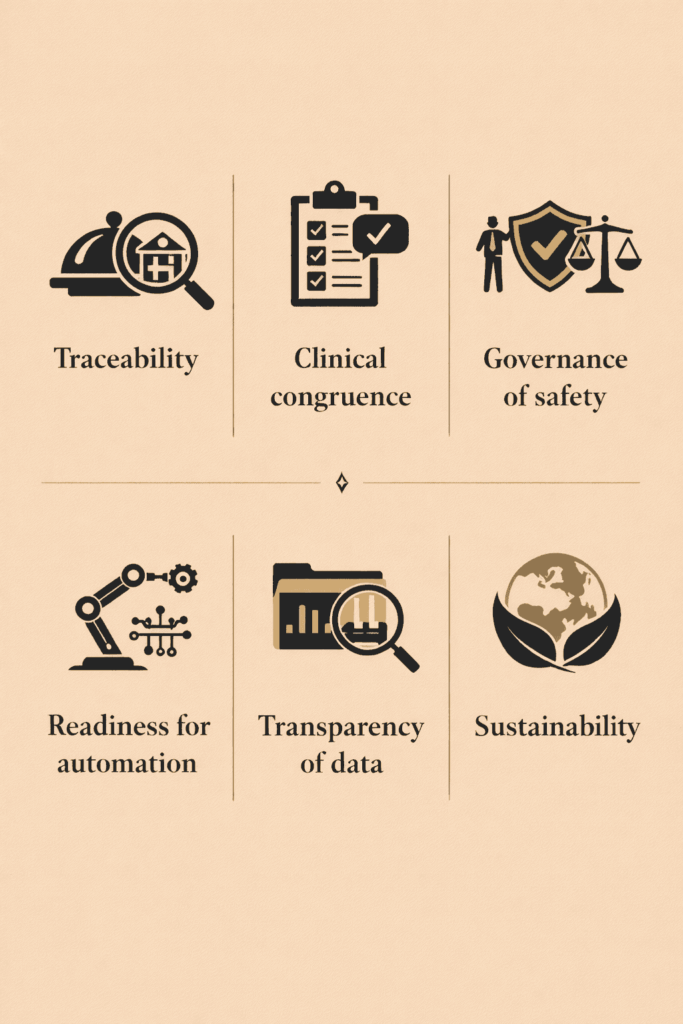
India’s healthcare system is rapidly evolving, and hospital food services are gaining attention. Hospital food services, in the future, will be assessed more on the following criteria:
- Traceability
- Clinical congruence
- Governance of safety
- Readiness for automation
- Transparency of data
- Sustainability
Hospitals that truly stand out will not simply be producing meals; they will be the ones providing food that is clinically intelligent. The change is significant. We are moving beyond basic catering and integrating food services as a vital part of patient care infrastructure.
Conclusion: Food as Therapeutic Infrastructure
Precision, safety, and quantifiable recovery impact will define hospital food services in India in the future rather than just taste. Hospitals that want better outcomes cannot treat nutrition as an afterthought. Those that recognise food as an essential part of treatment, not just another support service, are the ones that will earn trust, uphold the highest standards, and achieve better results for their patients. Hospitals will lead in patient outcomes, compliance standards, and trust if they view food as a therapeutic infrastructure. Ultimately every meal counts. Each one either advances recovery or sets it back.

