Five Ways Workplace Dining Supports Talent Attraction
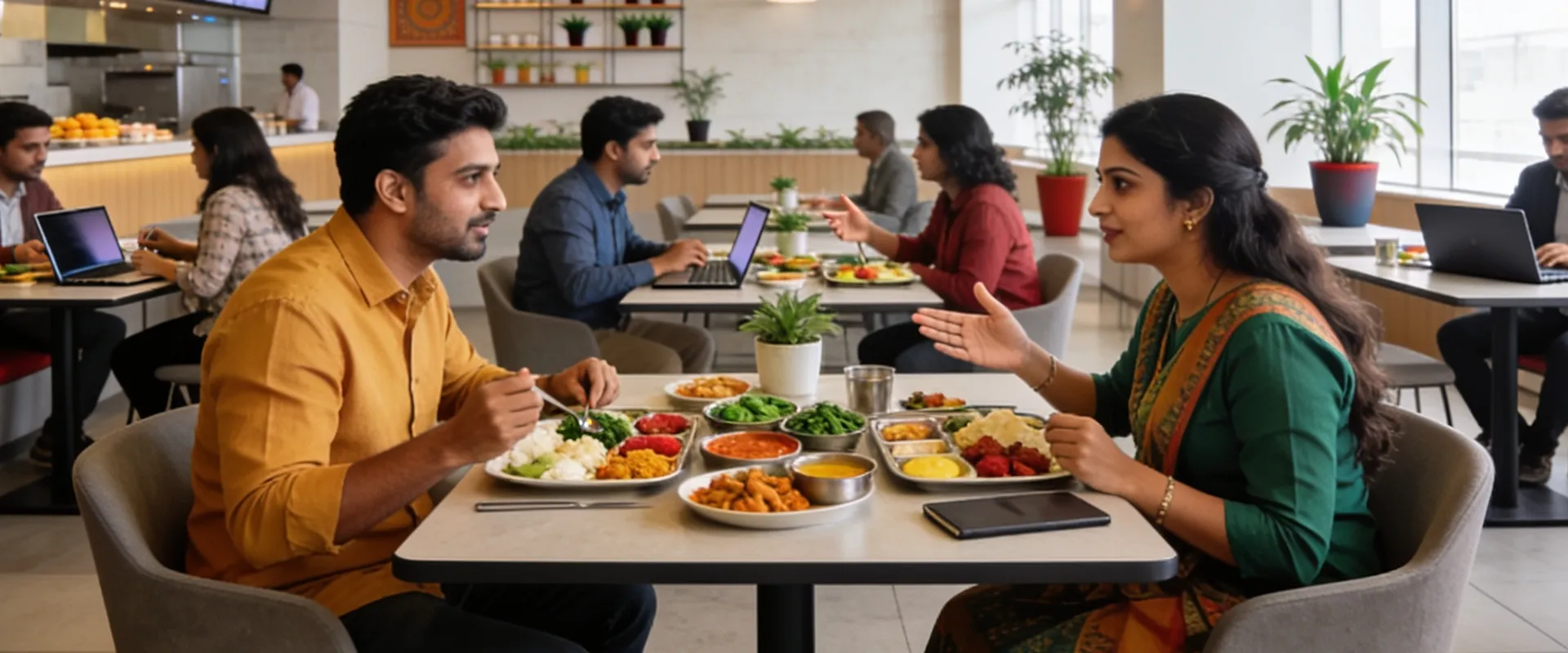
India’s GCCs are no longer just delivery hubs, they are strategic centres of innovation, digital transformation and business growth. As GCCs continue to expand across the country, attracting and retaining skilled talent has become one of their biggest priorities. While competitive compensation and career opportunities remain important, today’s workforce expects much more from the workplace. In fact, organisations that redesign their workspaces have reported up to 18% reduction in attrition, highlighting the role workplace experiences play in employee retention.
A holistic workplace dining ecosystem can shape the everyday employee experience. Here are five ways workplace dining helps GCCs strengthen talent attraction and improve long-term employee retention.
1. Creates a Memorable Workplace Experience
Today’s GCC talent looks beyond compensation and career growth, they seek workplaces that prioritise employee experience. With 60% of GCC employees preferring hospitality-style workplaces, organisations are increasingly investing in environments that feel welcoming, engaging and employee-centric. More than a place to eat, workplace dining creates moments that bring people together, foster a sense of belonging and make the office a more enjoyable place to be. These seemingly small experiences can leave a lasting impression on both current and prospective employees.
2. Supports Employee Wellbeing
Employee wellbeing has become a key priority for GCCs, with nutrition playing an important role in overall health and productivity. As many as 72% believe eating a nutrient-rich diet, rich in vitamins, minerals and antioxidants that supports their overall wellbeing. By offering balanced meals, diverse dietary options and regionally relevant menus, organisations can encourage healthier eating habits while reflecting a genuine commitment to employee wellbeing.
3. Fosters Collaboration and Workplace Culture
Dining spaces are more than places to eat, they are where conversations begin, ideas are exchanged and relationships are strengthened. 91% of Indian workers try to catch up with colleagues over food or drinks while at work, highlighting the role of shared dining experiences in building stronger workplace relationships. By creating opportunities for meaningful interactions beyond formal meetings, workplace dining helps cultivate a collaborative culture that strengthens employee engagement and makes the organisation a more rewarding place to work.
4. Enhances Convenience Through Technology
Convenience has become a defining factor in the workplace experience, particularly for GCCs operating across multiple shifts and fast-paced environments. 84% of consumers believe mobile pre-order and pre-pay capabilities improve the dining experience and 80% say touchscreen kiosk ordering enhances convenience. By integrating digital ordering, cashless payments and self-service technologies, organisations can reduce wait times, streamline food service operations and give employees greater flexibility throughout the workday.
5. Promotes a Healthy Break Culture
In fast-paced GCC environments, employees often work through lunch or skip breaks altogether. Yet, 92% of employees feel more productive after taking a break, highlighting the value of stepping away from the desk during the workday. A holistic workplace dining ecosystem encourages employees to pause, recharge and return with renewed focus, while creating opportunities for informal interactions that support both wellbeing and productivity.
At the end of the day, it’s often the small, everyday experiences that leave the biggest impression. A great meal, a quick coffee break or a chance to connect with colleagues can make the workplace feel more welcoming and enjoyable. By investing in a holistic workplace dining ecosystem, GCCs can create an environment where employees feel supported, connected and inspired to do their best.